Five inputs that make diaphragm pump selection clearer
A useful pump inquiry starts with operating conditions. Here is the information that helps turn a broad request into a workable shortlist.
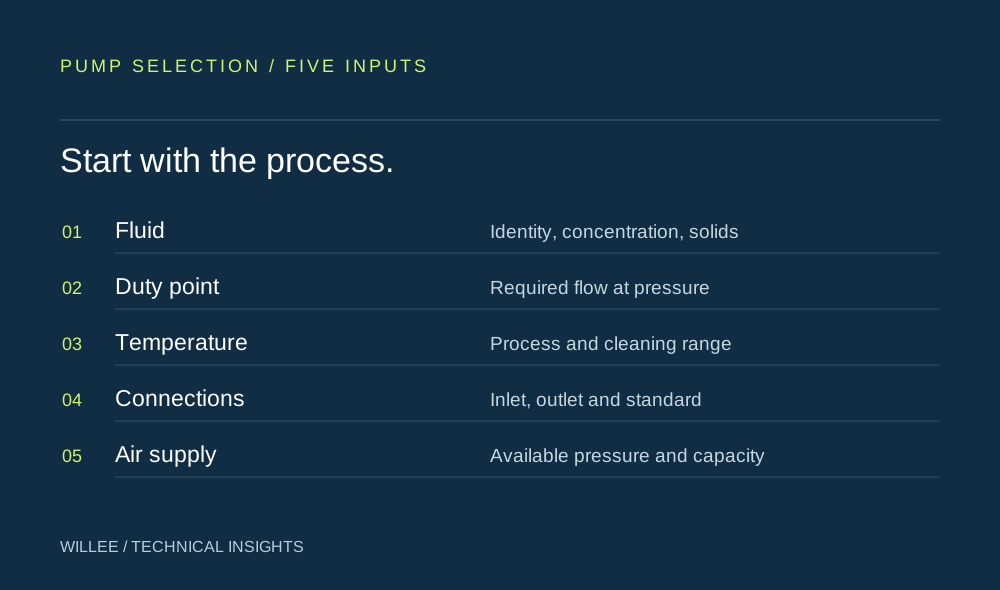
“I need a one-inch pump” is a starting point, but it leaves several questions unanswered. A more useful request describes what the pump must do. Keep the following five inputs together when comparing options.
1. Describe the liquid
Give the fluid name, concentration and any suspended solids. For mixtures, include the components that matter to material selection. If you have a safety data sheet, offer to send it to the person reviewing the application.
2. State the operating duty
List the flow you need at the required discharge pressure. Identify whether this is continuous transfer, intermittent batch service or another operating pattern. Separate the normal requirement from the highest occasional demand.
3. Include the temperature range
Record the normal process temperature and any cleaning or startup conditions. These details belong beside the fluid description, so a material choice is not made from the chemical name alone.
4. Define the installation
State the inlet and outlet sizes, thread or flange standard, suction arrangement and available space. An existing pump photograph can help, but the complete nameplate code is more useful than a visual resemblance.
5. Describe the air supply
Include available air pressure and any known capacity limits. Ask for the selected configuration’s performance information at your required duty.
Fluid and concentration → temperature → flow at pressure → connections → air supply → quantity and destination.
This is a practical information checklist, not a final engineering selection. Send it to Kevin together with the full model code when replacing an existing pump.
Background: ARO: how pneumatic diaphragm pumps work.