Before Discarding a Failed Diaphragm, Preserve the Evidence
Investigate AODD pump diaphragm rupture using orientation photographs, component identity and operating history before discarding failed parts.
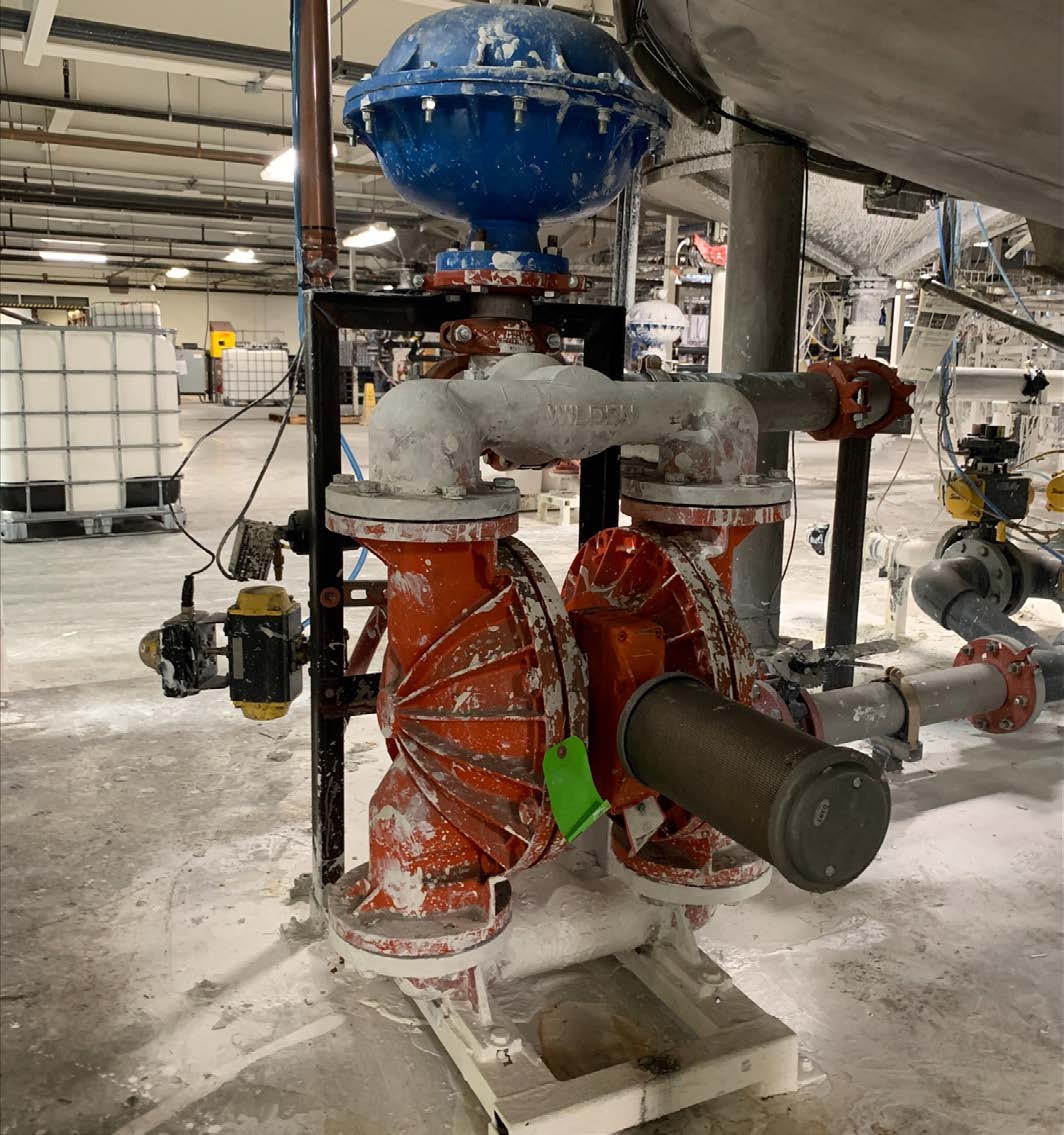
A replacement diaphragm can return a pump to service while leaving the reason for failure unresolved. If the removed component is discarded immediately, the next investigation may begin with no more information than the previous one.
An AODD pump diaphragm rupture investigation is most useful when physical evidence and operating history remain connected. Diaphragm replacement should close the immediate repair while preserving the information needed to reduce repeat failures.
The objective of a first review is to preserve evidence and narrow the questions. It is not to diagnose chemistry, fatigue or assembly error from a photograph alone. A split, a deformed area or a worn edge may be consistent with more than one mechanism.
Record the duty before an AODD pump diaphragm rupture
Record the pump code, installed diaphragm assembly, fluid composition, temperature range and known cleaning sequence. Add time or cycle count since the last intervention if reliable records exist. Note whether the failure followed a change in material, operating setting, suction arrangement or production recipe.
Include observations immediately before shutdown: changed flow, abnormal cycling, leakage, sound or an alarm. Separate what an operator saw from a later explanation. “Liquid was observed at the exhaust” is evidence; “the new material is defective” is a conclusion that still requires investigation.
Wilden's chemical guidance notes that diaphragm life depends on process conditions as well as chemical compatibility. Abrasion, temperature and operating circumstances matter alongside the material designation. [R16]
Preserve orientation during authorized disassembly
Only trained personnel should open a safely isolated, depressurized and appropriately decontaminated pump. Follow the exact model's maintenance procedure and the site's handling requirements for the previous process liquid. [R10]
Photograph the installed arrangement before removal. Where safe and practical, identify which side and chamber each removed component came from, and record the fluid-facing and air-facing surfaces. Keep mating components associated with the same location. Do not clean away deposits before they have been recorded and assessed under the appropriate handling procedure.
| Evidence | What to document | Why it helps |
|---|---|---|
| Diaphragm damage | Location, pattern, affected side and scale | Supports comparison with assembly geometry |
| Deposits or foreign material | Location and appearance before authorized cleaning | Preserves a possible process or contamination clue |
| Mating surfaces | Condition of plates, seats and contact areas | Helps identify associated contact or wear |
| Component identity | Markings, part references and installation date | Confirms what was actually fitted |
| Duty history | Fluid, cleaning, temperature and recent changes | Connects physical evidence to operating exposure |
Use observations to form questions
Swelling or softening can justify a closer compatibility review, but neither identifies a chemical mechanism on its own. Local damage near a contact region may justify checking assembly condition, dimensions or foreign material. Widespread wear may call for a review of solids exposure and operating duty. These are investigation directions, not final diagnoses.
Manufacturer troubleshooting guidance recommends checking for wear, debris and compatibility-related signs as part of a wider fault investigation. The useful response is to compare those observations with the service record and applicable parts arrangement. [R12]
If a failed component is retained, label and handle it according to the fluid's hazards and the site's sample-handling procedure. Do not send contaminated parts to a supplier without agreed decontamination, packaging and acceptance arrangements.
Close the repair with a verified configuration
Record the components installed, the relevant assembly instructions and the result of the approved return-to-service check. Establish a new baseline for delivery and operation. If the previous failure mechanism remains unconfirmed, state that explicitly and identify what will be monitored during the next service interval.
A useful enquiry to WILLEE includes the full pump code, both sides of the removed diaphragm where safe to photograph, component markings and a concise duty history. This improves the chance of identifying the correct replacement assembly and the right technical questions, rather than repeating an unexplained replacement cycle.
Send a documented diaphragm-repair enquiry
Technical references
[R16] Wilden / PSG. AODD Pump Chemical Compatibility Guide.
[R12] PSG Store. AODD Pump Troubleshooting.
[R10] Wilden / PSG. Safety Supplement to Engineering, Operation and Maintenance Manual.
Application photographs are manufacturer reference images, not WILLEE customer-project claims. Model-specific instructions take precedence over this general engineering discussion.